Indonesia operator Tour & Travel Service | Call Service 24/7 : +6281-231-280-772 | info@javagoldentour.com

Explore Yogyakarta

Yogyakarta is a cultural and historical gem located in central Java, Indonesia. It’s renowned for its rich heritage, artistic traditions, stunning architecture, and vibrant atmosphere. If you’re planning to explore Yogyakarta, here are some key attractions and experiences you won’t want to miss:
- Borobudur Temple
- Description: A UNESCO World Heritage site, Borobudur is the world’s largest Buddhist monument. The temple dates back to the 9th century and features nine stacked platforms adorned with over 2,000 relief panels and 500 Buddha statues.
- What to do: Witness the breathtaking sunrise from the top of the temple for a truly magical experience.
- Prambanan Temple
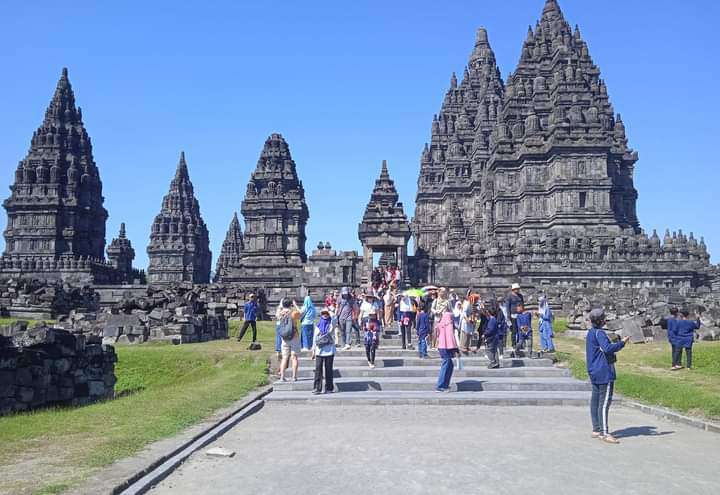
- Description: Another UNESCO World Heritage site, Prambanan is a Hindu temple complex built in the 9th century. It’s dedicated to the Trimurti: the gods Brahma, Vishnu, and Shiva.
- What to do: Explore the temple grounds, and if possible, attend the Ramayana Ballet performance at night. if you want to visit Prambanan Temple, you can visit this link Yogyakarta Tour Package
- Kraton (Sultan’s Palace)
- Description: The Kraton is the royal palace of the Sultan of Yogyakarta. It’s a living museum where you can explore the history and culture of the sultanate.
- What to do: Tour the palace, see traditional Javanese arts, and if you’re lucky, you might catch a performance of gamelan (traditional music) or a wayang kulit (shadow puppetry) show.
- Taman Sari Water Castle
- Description: Taman Sari, built during the 18th century, was the royal garden and bathing complex of the Sultan’s family. Its historical function and intricate architecture make it a popular tourist spot.
- What to do: Wander through the maze of pavilions, pools, and underground tunnels, imagining what life was like for the sultan’s family. Please contact us if you want to visit Bromo ijen tour from Yogyakarta
- Malioboro Street
- Description: Malioboro is the most famous street in Yogyakarta. It’s lined with shops, markets, and street vendors offering a range of goods from batik fabrics to traditional souvenirs.
- What to do: Shop for unique gifts, sample street food like gado-gado (Indonesian salad) or bakpia (sweet pastries), and soak in the lively atmosphere.
- Mount Merapi
- Description: One of the most active volcanoes in the world, Mount Merapi is a must-see for adventure enthusiasts. The recent eruptions have created dramatic landscapes.
- What to do: Take a jeep tour around the slopes of Merapi, visit the volcanic museum, or, for the more adventurous, hike to the summit.
- Jogja’s Traditional Markets
- Description: Yogyakarta is famous for its markets, particularly the Beringharjo Market, which sells a wide range of traditional textiles, clothing, batik, and spices.
- What to do: Browse through the vibrant stalls, haggle for souvenirs, and try local specialties.
- Ratu Boko Temple
- Description: Located on a hilltop, Ratu Boko is an ancient palace complex with a panoramic view of the surrounding plains. It predates both Borobudur and Prambanan.
- What to do: Explore the ruins, and visit at sunset for spectacular views of the landscape.
- Parangtritis Beach
- Description: This beach, located south of Yogyakarta, is known for its strong waves and beautiful coastline, as well as its connection to Javanese legends.
- What to do: Walk along the beach, try sandboarding, or enjoy a traditional sunset ceremony.
- Exploring the Hidden Temples and Caves
- Description: Yogyakarta is dotted with lesser-known temples and caves that are perfect for those seeking a quieter, off-the-beaten-path experience.
- What to do: Visit Goa Jomblang, a vertical cave with a unique sunlight phenomenon, or the lesser-visited temples like Candi Sari or Candi Sambisari.
- Traditional Arts & Culture
- What to do: Yogyakarta is the heart of traditional Javanese arts, including batik making, gamelan music, wayang kulit (shadow puppetry), and dance performances. You can take a class to learn batik, watch a gamelan performance, or see a wayang kulit show at the Kraton or in one of the nearby cultural centers.
- Visit the Local Villages
- Description: Yogyakarta has many villages known for their crafts, such as batik and pottery. Visiting these villages can provide a deeper connection to Javanese life.
- What to do: You can visit villages like Kasongan (for pottery) or Desa Tembi (for batik making), and even join a local artisan workshop to learn the craft.
Culinary Delights
- What to try: Yogyakarta is also known for its delicious street food. Some must-try dishes include:
- Gudeg: A traditional dish made from young jackfruit, stewed with coconut milk, and served with rice, boiled egg, and chicken.
- Bakpia: A sweet pastry filled with mung bean paste.
- Sate Klathak: A local variation of satay made with goat meat.
- Nasi Kucing: Small portions of rice served with a variety of side dishes, usually found in local warungs (small eateries).
Travel Tips:
- Transportation: Yogyakarta has a well-connected public transportation system, and it’s also common to rent motorbikes or hire taxis for convenience. If you’re looking to explore the city at your own pace, consider renting a bicycle.
- Weather: The best time to visit is during the dry season, from April to October. However, Yogyakarta is a year-round destination, with each season offering its own charm.
- Language: Bahasa Indonesia is the official language, but many people also speak Javanese. English is commonly understood in tourist areas.