Indonesia operator Tour & Travel Service | Call Service 24/7 : +6281-231-280-772 | info@javagoldentour.com

The Bromo Tribe and The Culture

The Bromo Tribe: A Glimpse into the Culture of East Java’s Indigenous People
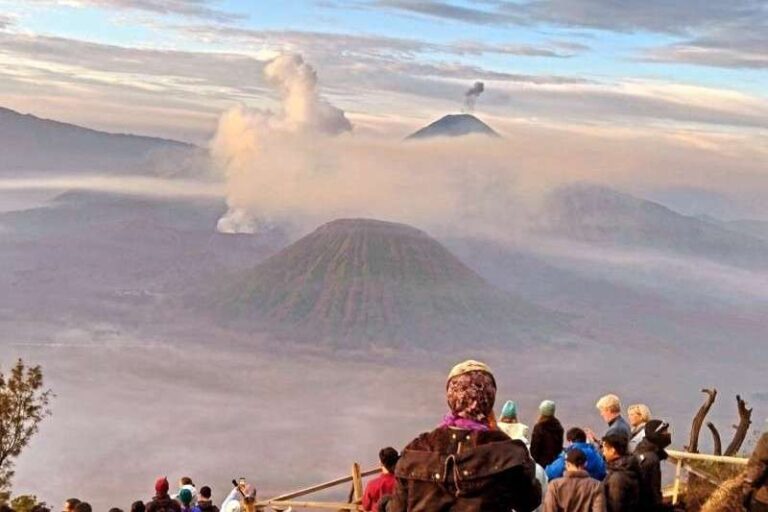
The Bromo tribe also known as the Tengger people is an indigenous group residing in the Tengger region of East Java Indonesia. Known for their unique cultural practices, language, and deep connection to their natural surroundings, the Bromo people have lived for centuries in the mountainous areas around Mount Bromo, one of the most iconic volcanoes in Indonesia.
Origins and History
The origins of the Tengger people are closely tied to the ancient kingdoms of Java, particularly the Majapahit Empire which ruled from the 13th to the 16th centuries. According to local folklore the Tengger people are believed to be descendants of the soldiers of the Majapahit Empire who retreated into the mountains after the fall of the empire.
According to popular folklore, the name “Tengger” is associated with the story of a royal couple, Roro Anteng and Joko Seger who are said to be the ancestors of the Tengger people. The legend tells that the couple was granted many children by the gods in exchange for their willingness to sacrifice their youngest child to the gods as an offering. In gratitude, they named their descendants the “Tengger” people. you can make tour in bromo Ijen tour wtih Java Golden Tour
The Tenggerese Language
The Tengger people speak a unique dialect of Javanese, known as the Tenggerese language. While this language is a variant of the Javanese spoken in the lowland areas, it has distinct features that make it stand apart. For instance, the Tenggerese language is known for its use of archaic words and expressions that reflect the tribe’s long-standing history and isolation from other Javanese communities. we provide Bromo Ijen sukamade Tour package with reasonable price
Cultural and Religious Practices
One of the most fascinating aspects of the Bromo tribe is their religious beliefs and rituals. The Tengger people practice a form of syncretic Hinduism, which blends elements of traditional Hindu practices with local beliefs and animism. This mixture is reflective of their unique adaptation to the environment and historical influences.
The most prominent religious event for the Tengger people is the Yadnya Kasada, a ceremony held annually in honor of the gods that inhabit Mount Bromo. During this event, Tenggerese pilgrims travel to the volcano to make offerings, which can include food, flowers, and livestock. The ceremony symbolizes the Tengger people’s gratitude to the gods for their safety and agricultural prosperity.
Agriculture and Livelihood
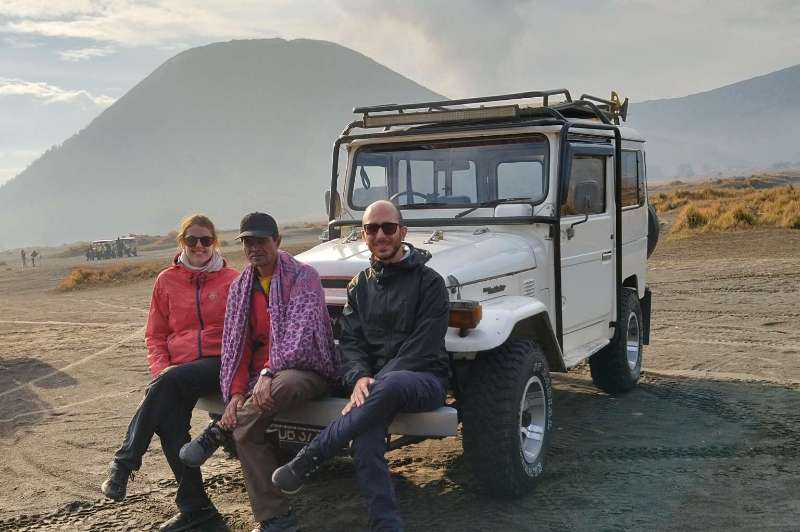
The Tengger people traditionally live off the land, engaging in agricultural activities such as farming, livestock raising and horticulture. The fertile soil around the Tengger mountains allows for the cultivation of crops like potatoes, vegetables, and leeks. The Tenggerese are also working in tourism as guide, jeep driver, homestay owner, hotel owner and also open restaurants
Mount Bromo and Its Cultural Significance
Mount Bromo holds a special place in the hearts of the Bromo tribe. This active volcano which rises 2,329 meters above sea level, it is not only a popular tourist destination but also a sacred site for the Tengger people. According to their beliefs, the mountain is the home of the gods and it plays a central role in their religious and cultural rituals.
The annual Yadnya Kasada ceremony is a vivid demonstration of the tribe’s reverence for the mountain. Pilgrims trek up the slopes of Mount Bromo to offer sacrifices in the crater, believing that their offerings will appease the mountain’s spirits and bring blessings in the form of good harvests, health and protection.
Modern-Day Challenges and Preservation of Culture
While the Tengger people have managed to maintain much of their traditional way of life, they face numerous challenges in the modern world. Increasing tourism around Mount Bromo has brought both economic benefits and cultural disruptions. Many of the younger generation are leaving the mountains in search of better educational and employment opportunities which has led to a decline in the traditional farming practices and rituals.
Efforts to preserve the Tengger culture are ongoing, with initiatives aimed at promoting local crafts, languages, and religious practices. Organizations are working to raise awareness about the importance of preserving the unique culture of the Bromo tribe in the face of modernization.
Conclusion
The Bromo tribe is a living testament to the enduring power of tradition, culture and nature. Their unique practices and connection to Mount Bromo make them a fascinating and integral part of Indonesia’s diverse cultural tapestry. As they continue to face modern challenges, the hope is that the Bromo people will be able to preserve their heritage for generations to come. Through their commitment to their religious practices, agriculture and way of life, the Bromo tribe remains a vital part of Indonesia’s indigenous cultural landscape.