Indonesia operator Tour & Travel Service | Call Service 24/7 : +6281-231-280-772 | info@javagoldentour.com

Yogyakarta Street Food

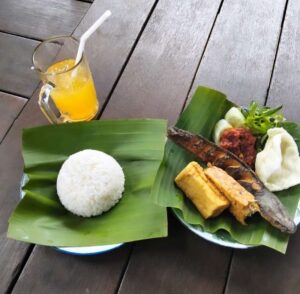
Yogyakarta Street Food
Yogyakarta is one of province in Indonesia which is very exotic and full of cultural values and tourism such as Prambanan temple and nearby Borobudur temple. Apart of many natural tourist destinations, there are also typical Jogja foods that you must try when visiting this city.
This typical Jogjayakarta food is quite unique, because the flavors it offers are very diverse, namely sweet, savory and salty. What’s more interesting is that this dish from the region ruled by the sultan has many fans throughout almost all of Indonesia. Apart from the taste, typical Jogja food is still made in traditional ways
Traditional Food Of Yogyakarta
Wajik is a processed food made from boiled sticky rice and mixed with coconut milk and coconut sugar. In Javanese traditional ceremonies, for example wedding ceremonies, wajik is a type of food that is mandatory. In the wedding ceremony wajik is served together with jadah, krasikan, jenang alot, and Tawonan. These five foods are types of preparations that are usually brought as gifts by the prospective groom to the prospective bride.
Berongkos (or called brongkos by Javanese people) is a type of vegetable preparation made from beef, especially the brisket (the part of beef that comes from the lower chest, around the armpits). The characteristic of this dish is the use of keluak as a spice so that the vegetables are dark in color and have a distinctive aroma
Gudeg, The food that is the main icon of the Special Region of Yogyakarta is gudeg. The name “gudeg” comes from the Javanese term hangudek. The term hangudek means ‘stirring process’. Gudeg is a typical Jogja food that is very famous in Indonesia. Usually, this dish is served with several other vegetables, such as krecek or chicken opor.
How to make Jogja style gudeg takes a very long time. Gudeg is made from young jackfruit boiled for several hours with palm sugar and coconut milk, then added with additional spices including garlic, shallots, candlenuts, coriander seeds, galangal, bay leaves and teak leaves, the latter of which gives the dish a reddish brown color.
Gatot and tiwul are foods made from cassava (cassava). Gatot and tiwul are foods that are beneficial for stomach digestion. This food is processed through a fermentation process. During the cassava fermentation process, lactic acid bacteria (lactobacilli) grow and reproduce. Cassava which has been fermented is then dried in the sun to become cassava. Tiwul is a food made from white cassava, while gatot is made from black cassava. Black cassava is produced due to the incomplete drying process after the fermentation process.
Apem is a typical food from the Special Region of Yogyakarta which is usually used for traditional ceremonies, Apem or also called Apam in Indonesian. The name apem comes from the Arabic afwan or afuwwun which means ‘to apologize’ or ‘ask for forgiveness’. However, the Javanese tongue finds it difficult to pronounce afwan/afuwwun so it becomes apem. Javanese people usually make apem before Ramadan and share it with relatives, neighbors, or send it to the mosque.
Klathak satay is satay made from young goat meat. The unique part is that the satai skewers used are not made from bamboo, but from iron bicycle spokes. The use of iron bars is intended so that the young goat meat cooks more quickly because the heat is even.
Kipo is a traditional food originating from the Kotagede area, Yogyakarta. There is an interesting story behind this name. Kipo is a green food that is small in shape, but has a delicious taste. The sweet and savory taste is found in kipo which is produced from a mixture of sugar and coconut as the filling.
The list of Tour Packages